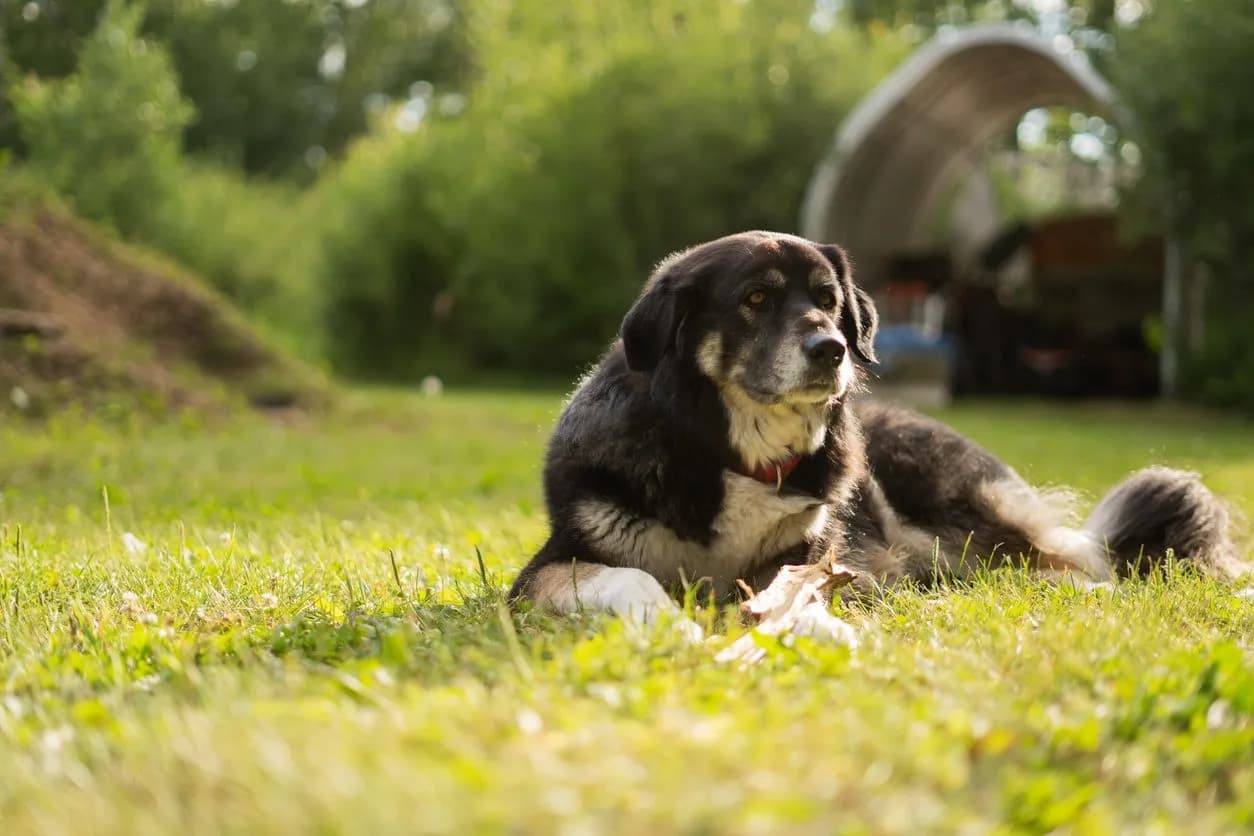
Understanding Ascites in Dogs: Symptoms, Causes, and Treatments
Is your pup's tummy swelling or feeling firm? Discover the signs, causes, and effective treatments of abdominal fluid buildup in dogs today!
What Is Ascites in Dogs?
Ascites, also called abdominal effusion or free abdominal fluid, is a serious medical condition in which a dog’s abdomen fills with fluid. This condition is potentially life-threatening and signals an underlying issue that needs to be addressed. The abdomen contains essential organs including the liver, pancreas, stomach, intestines, spleen, and urinary bladder, which usually have very little fluid surrounding them. When ascites occurs, these organs are free-floating within a fluid-filled abdominal cavity.
The accumulation of abdominal fluid can cause significant discomfort and can press on the chest cavity, leading to difficulties in breathing or even respiratory failure. Here, we delve into the symptoms, causes, diagnostic methods, and treatment options for ascites in dogs.
Symptoms of Ascites in Dogs
The symptoms of ascites can vary depending on the severity and amount of fluid accumulated. Common signs include:
- Lethargy
- Decreased appetite or anorexia
- Vomiting or retching
- Diarrhea or altered bowel movements
- Weakness and restlessness
- Distended abdomen
- Weight gain
- Excessive panting
- Increased thirst and urination
- Pain upon palpation of the abdomen
- Pale, blue, or purple gums
- Fainting (syncope), coughing, rapid shallow breathing, or difficulty breathing (dyspnea)
Causes of Ascites in Dogs
Ascites is typically a secondary condition that develops due to a more serious primary health issue which could include:
- Heart disease: Right-sided heart disease, congestive heart failure, heartworm disease, dilated cardiomyopathy, or pulmonic stenosis.
- Liver issues: Chronic liver failure or hepatitis, and portal hypertension.
- Protein deficiencies: Low protein concentrations, protein-losing enteropathy or nephropathy, and nephrotic syndrome.
- Trauma: Injury causing organs to burst, creating fluid leakage into the abdomen.
- Peritonitis: Infection of the abdominal lining, leading to fluid accumulation.
- Poisons: Such as rat poison causing improper blood clotting.
- Cancer: Tumors causing pressure, organ rupture, or inflammation.
How Veterinarians Diagnose Ascites in Dogs
If your dog is showing signs of abdominal enlargement or fluid accumulation, prompt veterinary assessment is crucial. The diagnosis process typically involves:
- Physical examination: An in-depth physical check-up including palpation to detect fluid.
- Diagnostic imaging: Abdominal X-rays or ultrasounds.
- Fluid analysis: Sampling abdominal fluid for closer analysis under a microscope.
- Laboratory tests: Complete blood count (CBC), chemistry panel, and urinalysis.
Treatment of Ascites in Dogs
Treating ascites may involve several steps, as it often requires addressing both the symptoms and the root cause:
- Fluid removal: Temporarily relieving abdominal pressure by removing accumulated fluid.
- Diuretics: Medications such as furosemide or spironolactone to promote fluid absorption.
- Transfusions: Blood or plasma transfusions for anemia or low protein levels.
- Surgery: In cases where tumors or organ damage is diagnosed.
- Special diets and supportive care: For chronic conditions affecting organs like the liver or heart.
Recovery and Management of Ascites in Dogs
The outlook for dogs with ascites hinges largely on treating the underlying condition. Some conditions are manageable with medical or surgical intervention, whereas others might have poorer prognoses.
Consistent veterinary follow-up is essential, particularly in older dogs or those with serious health issues. Early detection and treatment can significantly improve outcomes.
For comprehensive details, images, and further insights, consider exploring resources from reputable veterinary organizations such as AVMA (American Veterinary Medical Association).