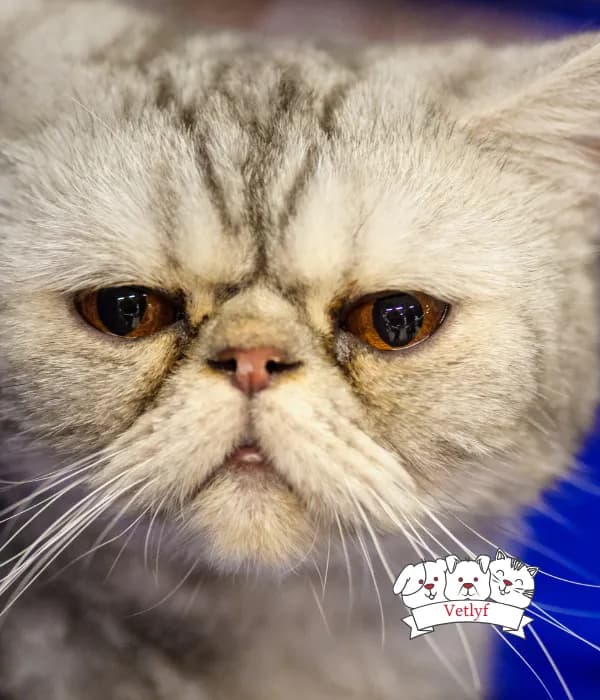
Pemphigus Foliaceus: Unravel the Mystery
Pemphigus foliaceus is a perplexing and challenging autoimmune skin disease that primarily affects cats and dogs, but can afflict other animals. Characterized by the formation of pustules and crusty lesions, this condition requires prompt recognition and management to ensure the comfort and health of your pet. Let's delve into the symptoms and treatment protocols associated with this condition.
Common Forms in Cats
- Pemphigus foliaceus (PF) – The most prevalent form, PF typically presents with lesions on the face, particularly around the ears, eyes, and nose bridge, as well as the paw pads and nipples.
- Pemphigus vulgaris (PV) – Much rarer and more severe, PV leads to deeper ulcerations and often affects mucosal areas.
Clinical Signs
Recognizing the clinical signs of pemphigus foliaceus can be the first step towards effective management:
- Crusty lesions frequently appear on the face, ears, and nasal planum.
- Paw pad hyperkeratosis, where the pads become thickened and cracked.
- Pustules may rupture, leaving erosions or scabs, and can cause hair loss around affected areas.
- Secondary bacterial infections are common in areas with skin damage.
Diagnosis
Accurate diagnosis is key to differentiating pemphigus foliaceus from other dermatological conditions:
- Cytology: Examination of intact pustules reveals acantholytic keratinocytes.
- Skin biopsy and histopathology: These are critical for confirming a diagnosis of pemphigus.
- Rule out other infections: It's important to exclude bacterial, fungal, or parasitic causes.
Treatment Options
Managing pemphigus foliaceus involves a tailored approach focused on reducing inflammation and controlling the auto-immune response:
- Systemic glucocorticoids: Medications like prednisolone are often used as first-line therapy to reduce inflammation.
- Immunosuppressants: Drugs such as Chlorambucil or Cyclosporine might be added in cases where glucocorticoids alone are insufficient.
- Antibacterial and antiseptic treatments: These address secondary infections which can complicate the primary condition.
Long-term Management
Regular monitoring is crucial to maintain control over the disease while minimizing the side effects of ongoing medication. Adjusting treatment as per the pet's response and any emerging side effects is essential for long-term health.
Further Reading:
- Explore more about autoimmune diseases in pets and how to manage them effectively.
By understanding and recognising the signs of pemphigus foliaceous, you can better advocate for your pet's health with your veterinarian. Proactive management leads to better quality of life for pets suffering from this enigmatic skin disease.
Share this guide with fellow pet owners and help spread awareness on managing autoimmune skin diseases.