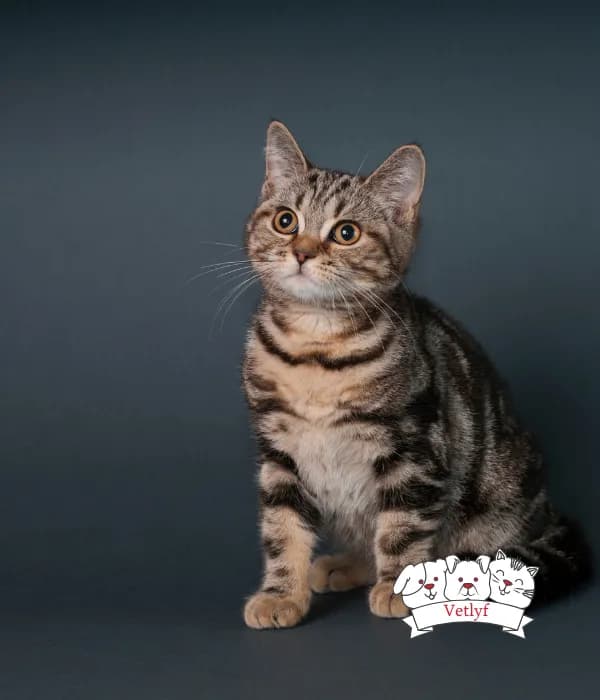
Understanding Your Pet's Fur Functionality
Many pet owners believe that shaving their furry companions will help them stay cool in warm weather. While this might seem logical, it's important to understand the significant role your pet's fur plays beyond just temperature regulation. Fur serves numerous purposes, from protecting against environmental elements to supporting sensory input and signaling moods. Let's explore why shaving might not be in your pet's best interest.
The Thermoregulatory Role of Fur
At first glance, it may appear that the removal of fur could allow pets to dissipate heat more efficiently. However, a pet's fur actually acts as a critical insulation layer. In warmer months, the outer coat reflects sunlight and provides a buffer from the heat, while also protecting the skin from UV exposure, dust, and allergens.
| Layer of Fur | Function |
|---|---|
| Guard Hair | Protects skin, repels water, and provides an additional layer for temperature control. |
| Undercoat | Offers insulation against heat and cold, and traps a layer of warm air near the skin. |
Risks of Shaving
Shaving a pet's fur can inadvertently expose them to several risks, including:
- Sunburn: Removal of fur elevates the risk of sun damage, potentially leading to skin cancer.
- Thermal Stress: Without the protective layer of fur, pets can experience thermal stress during temperature fluctuations.
- Skin Sensitivity: Exposed skin becomes more susceptible to insect bites and abrasion.
- Hair Regrowth Issues: In some breeds, hair may grow back unevenly, leading to skin problems or patchy fur.
Effective Alternatives to Keeping Pets Cool
Rather than shaving, consider the following tactics to help keep your pet comfortable during hotter months:
- Regular Grooming: Routinely brush your pet to remove excessive fur and prevent matting. This improves airflow through the coat and enhances its thermoregulatory functions.
- Hydration: Ensure your pet has constant access to fresh, cool water to help regulate body temperature from within.
- Shade and Ventilation: Provide shaded areas and ensure your pet stays indoors during peak sunlight. Use fans or air conditioning for additional comfort.
- Cooling Products: Consider using pet-safe cooling mats or vests that can offer additional relief.
Consult With a Veterinarian
If you're concerned about your pet's ability to cope with heat, it's best to seek advice from your veterinarian. They can provide guidance on specific breed characteristics and offer tailored recommendations on grooming and care. For more information, you can explore our resource page for specific animal care tutorials and articles.
Remember, your pet's fur is much more than just an aesthetic feature; it's an integral part of their biology that supports their daily needs and comfort.