Certified
Surgery (Neutering)
Price
₹ 7,999
Duration
120 mins
What's included
Pre-surgery exam
Safe anesthesia
Surgical procedure
Pain management- Post-op care guidance
Vetlyf's sterilisation category focuses on spaying, neutering, anesthesia planning and recovery support for pets.
This category page explains surgical sterilisation support, recovery guidance and responsible long-term pet care planning through Vetlyf.
Sterilisation category support is optimized for pet parents in Delhi NCR including Gurugram, Delhi, Noida, Ghaziabad and Faridabad.
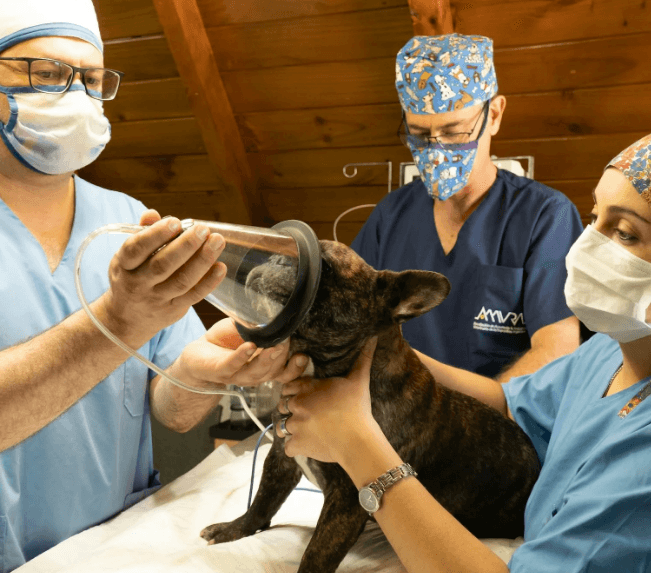
Sterilisation surgery, including spaying for females and neutering for males, is a common veterinary procedure performed to prevent unwanted breeding and support your pet’s long-term health. Conducted under safe anesthesia by a qualified veterinarian, it also helps reduce certain health risks and behavioral concerns while contributing to responsible pet population control.
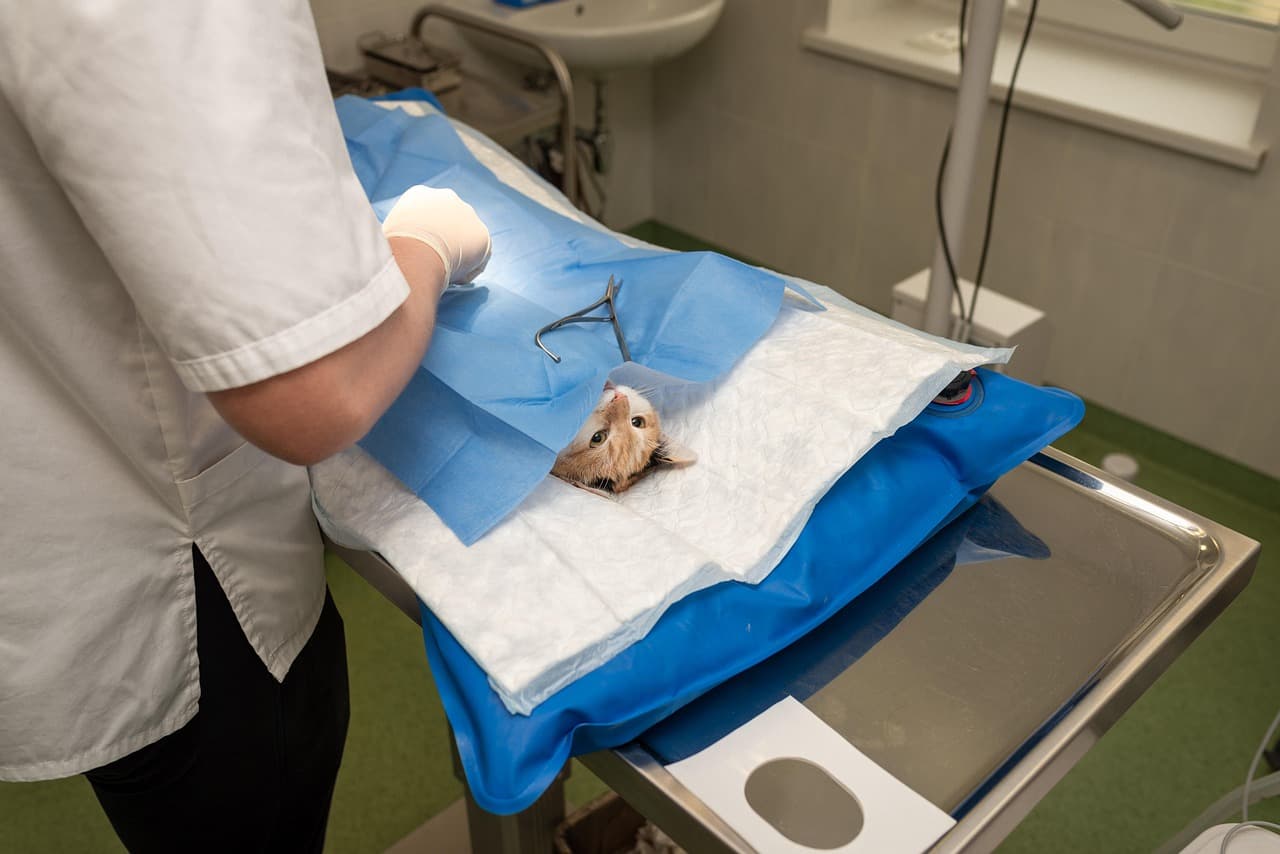
Browse our surgery (sterilisation) services services designed to support your pet with trusted care, clear guidance, and a smooth booking experience.
₹ 7,999
120 mins
What's included

₹ 9,999
120 mins
What's included
₹ 11,999
120 mins
What's included
Sterilisation surgery, including spaying for females and neutering for males, is a common veterinary procedure designed to prevent unwanted breeding while also supporting long-term health and wellbeing. Performed under safe anesthesia by a qualified veterinarian, it can help reduce certain reproductive health risks, manage some behavioral concerns, and contribute to responsible pet population control.
Sterilisation is performed under veterinary supervision with proper surgical planning, anesthesia care, and recovery guidance.
The procedure may help reduce certain reproductive health risks and support better long-term wellbeing for pets.
Sterilisation can help manage some behavior-related concerns such as roaming tendencies and certain aggressive patterns.
It plays an important role in preventing unplanned breeding and supporting more responsible pet care practices.
Spaying for Female Pets
A planned surgical procedure for female pets aimed at preventing pregnancy while supporting long-term reproductive health management.
Neutering for Male Pets
A routine surgical option for male pets that helps prevent breeding and may support improved long-term behavior and health outcomes.
Pre-Surgery & Recovery Guidance
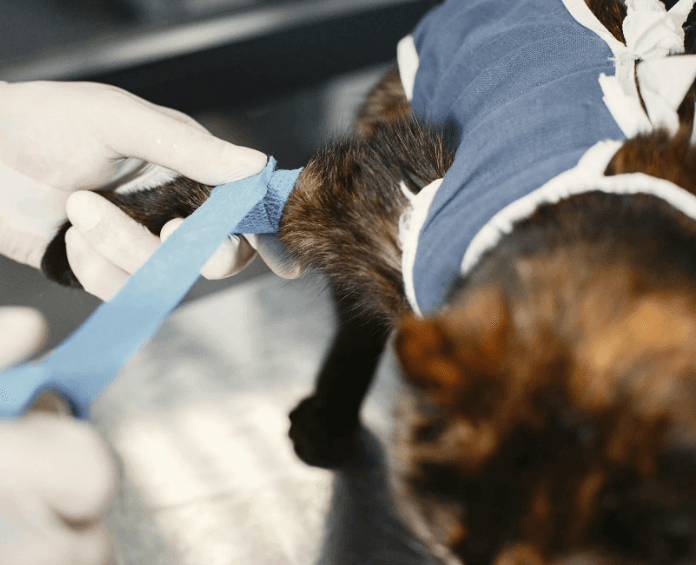
Veterinary support includes procedure planning, safety guidance, and post-surgery care instructions for smoother recovery.
Planned Preventive Care
Health & Behavior Considerations
Prevents Unplanned Breeding
Sterilisation is one of the most reliable ways to avoid unwanted pregnancies and reduce accidental breeding.
Supports Preventive Health
The procedure may help reduce certain reproductive health risks and infections when done at the right time under veterinary guidance.
Encourages Responsible Pet Ownership
It supports long-term planning for your pet’s wellbeing while also contributing to better population control practices.
Clear Surgical Guidance
Pet parents receive better understanding of the procedure, timing, preparation, and what to expect during recovery.
More Confidence in Care Decisions
Knowing the health, behavioral, and preventive benefits helps pet parents make more informed long-term decisions.
Support Beyond the Procedure
Recovery advice, post-surgical observation, and follow-up guidance help make the overall care experience smoother.
Spaying generally refers to sterilisation in female pets, while neutering refers to sterilisation in male pets. Both procedures are done to prevent breeding and may also support long-term health and responsible pet care planning.
Sterilisation is important because it helps prevent unplanned pregnancies, supports responsible pet population control, and may reduce certain reproductive health risks. It is often recommended as part of a broader preventive healthcare approach.
It may support long-term health by reducing some risks related to reproductive organs and associated infections or conditions. The exact benefits depend on the pet’s sex, age, and medical condition, so veterinary guidance is always important.
Yes, post-surgery care is an important part of recovery. Pet parents usually need to monitor healing, restrict excessive activity for a period, and follow the veterinarian’s instructions for observation and follow-up.
Not always. Sterilisation may help reduce some hormone-related behaviors such as roaming or certain aggressive patterns, but it is not a guaranteed solution for every behavioral issue. Behavior depends on multiple factors including training, environment, and temperament.
The right decision depends on your pet’s age, health status, sex, and long-term care goals. A veterinarian can evaluate your pet and explain whether sterilisation is appropriate, what benefits to expect, and how to plan for the procedure safely.